

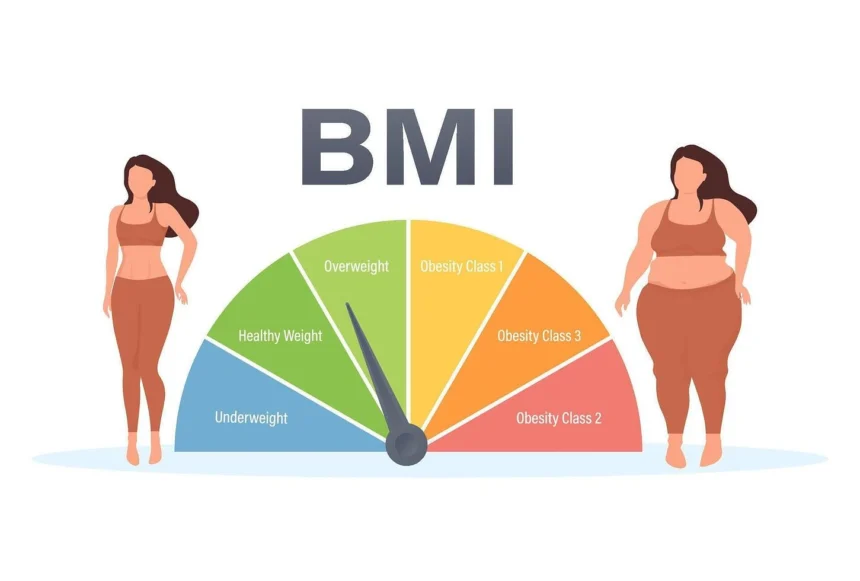
Picture a woman who can deadlift more than most men at her gym getting flagged as obese at a routine checkup. Her body fat is low. Her bloodwork is clean. Yet there it sits in her file, a category that makes no sense for the body she actually walks around in.
That scenario isn’t rare, and for Black women it’s close to routine. The formula doing the flagging is old, blunt, and built on people who looked nothing like her. That’s really the heart of it. BMI keeps getting Black women’s bodies wrong, and once the origin of the number is clear, the reason stops being much of a mystery.
Where The Number Actually Came From
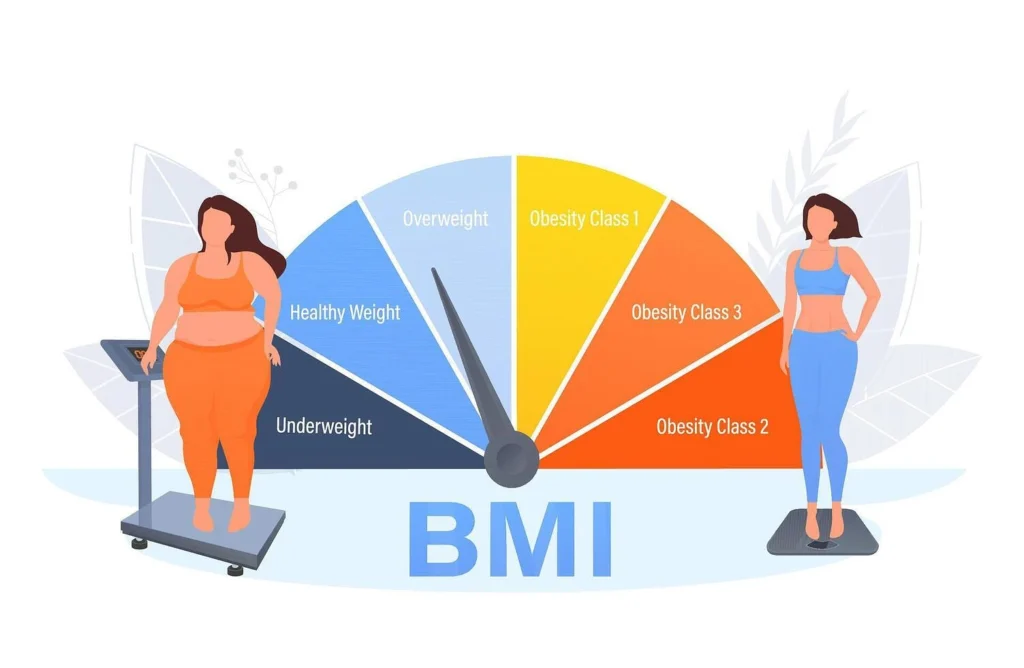
Start with who invented it. BMI comes from Adolphe Quetelet, a Belgian mathematician working in the 1830s. He wasn’t a doctor. He wasn’t trying to measure anyone’s health. He wanted a tidy way to describe the “average man” across a population, and the people in his sample were white Europeans.
A formula built for groups, not people
The math is almost embarrassingly simple. Weight loss divided by height squared. That’s the entire thing. It has no idea whether the weight it’s measuring is muscle or fat or bone. Two people of the same height and weight get the exact same BMI even if one is a bodybuilder and the other never exercises. Medicine adopted it anyway, mostly because it was cheap and required nothing more than a scale and a tape measure. Convenient, not correct.
Why It Struggles With Black Women’s Bodies
Here is where the formula trips. On average, people of African descent tend to carry more muscle and a lower percentage of body fat than the groups BMI was calibrated against. Muscle is heavier than fat. More muscle, more weight on the scale, higher BMI. The formula sees the extra pounds and files a lean, strong woman under “overweight” without ever knowing what those pounds are made of.
The deadlifter from a moment ago is basically a walking illustration of this. And it isn’t a harmless mislabel. BMI feeds screening decisions for conditions like type 2 diabetes and heart disease. When the input number is wrong, everything built on top of it inherits that error. Women get flagged for risks they don’t carry, or occasionally waved through when they shouldn’t be, all because the tool is blind to body composition.
The part that isn’t about biology
One thing usually gets left out of these discussions, and it complicates the neat “it’s just muscle” explanation. Some of the elevated BMI showing up in Black women isn’t biology at all. It’s stress, unequal access to care, food environments, the slow grind of dealing with discrimination. Bodies absorb all of that. So even when the number is genuinely high, reading it as a simple story of personal choices misses most of what’s actually going on.
The Finding That Should Stop Anyone Trusting The Cutoffs
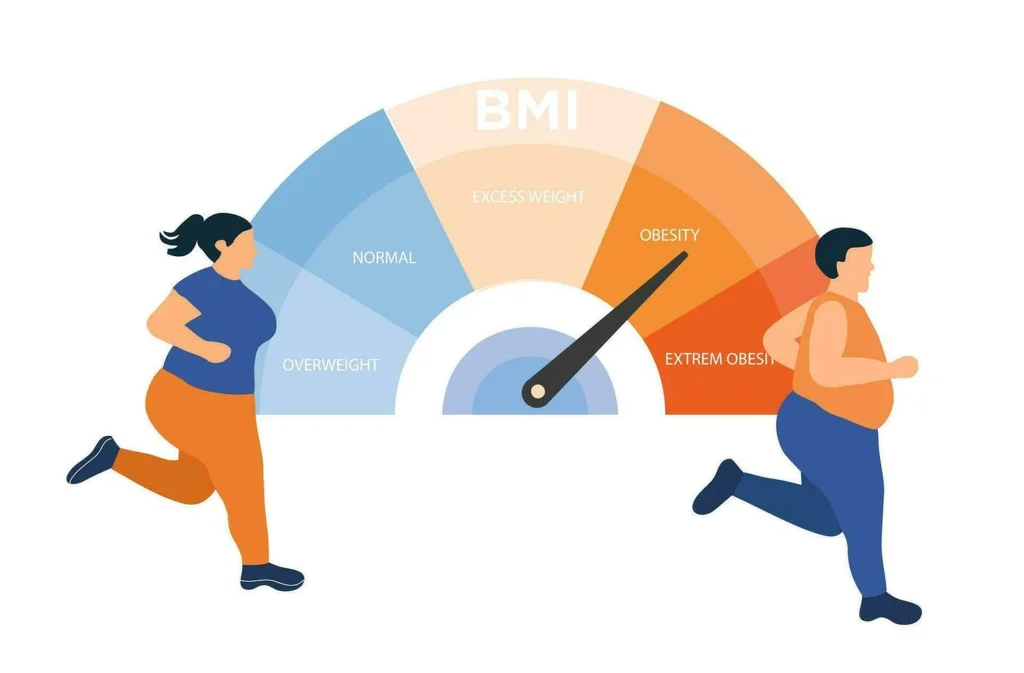
There’s a study worth holding onto here. Back in 2011, researchers found that Black women had less metabolic risk at higher BMIs than white women. Same BMI number, different meaning depending on who was standing on the scale.
Sit with that for a second, because it breaks the whole logic of BMI categories. The formula uses one set of thresholds for everyone. Normal, overweight, obese, the same borders drawn for every body on earth regardless of ancestry or build. But weight, muscle, and disease risk don’t relate the same way across all populations. Force everyone onto a single ruler and the result is a tool that’s most confidently wrong about the exact people who differ most from the sample it was born in.
Medical researchers haven’t been shy about saying so. The metric was built on white populations, and its ability to correctly sort overweight and obesity in anyone else has been questioned in print for years. Fair caveat: nobody claims the science is fully settled on how much these differences matter clinically, and more work is genuinely needed. But “we need more data” is a long way from “trust the number,” and BMI still gets treated as gospel when it’s closer to a rough guess.
What’s Worth Paying Attention To Instead
None of this makes BMI garbage. As a quick way to spot trends across a big group of people, it’s fine. Cheap, fast, good enough for a population snapshot. The trouble starts only when it’s used to judge one specific human being. For that, a few other measures do more honest work.
Measures that see more than weight
- Waist circumference. A tape measure around the middle picks up abdominal fat, which lines up with metabolic risk better than total weight does.
- Waist-to-hip ratio. This one shows where the fat actually sits, and location matters more for disease risk than the raw amount.
- Body composition analysis. Bioelectrical impedance and similar methods pull fat apart from lean mass, which is the exact question BMI can’t answer.
No single one of these deserves blind trust either. The clearest picture comes from stacking two or three of them next to real markers like blood pressure, blood sugar, and cholesterol. The goal isn’t to trade BMI for some shinier number to fixate on. It’s to stop letting one crude figure have the final word when more of the picture is right there to look at.
So, Accurate Or Not?
For an individual Black woman standing on a scale, wanting to know something true about her health, the honest answer is not really. Wrong founding population, can’t tell muscle from fat, cutoffs that don’t match what the research actually shows, and social pressures baked into the number that it was never designed to see.
That doesn’t mean setting it on fire. It means knocking it down from verdict to icebreaker. When a BMI reading drops someone into a box that doesn’t match how she eats, how she moves, or how she feels, that’s a cue to ask for a real workup, not to accept the label. A formula cooked up to describe some hypothetical “average man” in the 1830s was never going to be the authority on a specific Black woman living now.