
Welcome to WellHealthOrganic
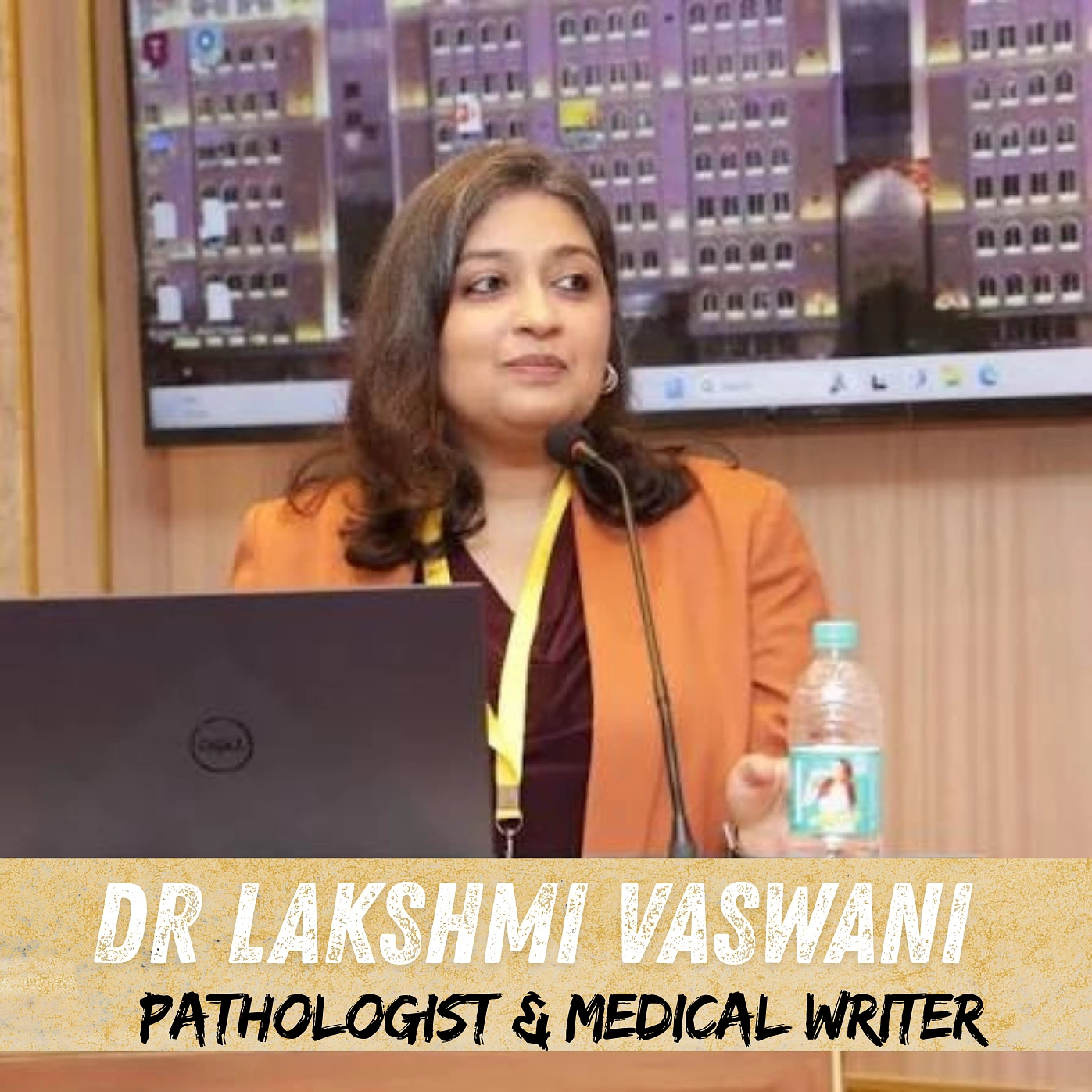
Dr Lakshmi
Everyday Health • Disease Awareness • Holistic Health • Wellness Tips
Hi, I'm Lakshmi Vaswani M.B.B.S, D.P.B, M.B.A (HCS).n
Here, you'll find health tips, wellness advice, informative articles, and practical guidance for better health and well-being.
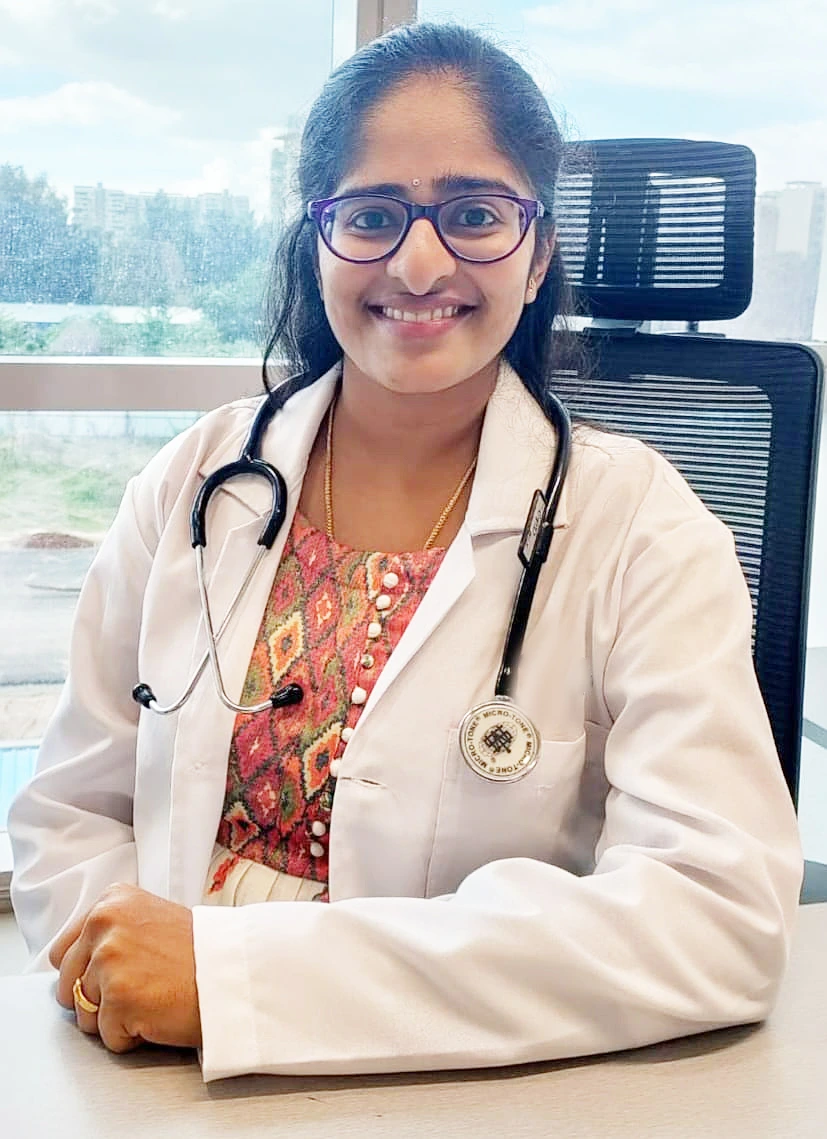
Who I Am
Clinical Pathologist &
I’m Dr Lakshmi Vaswani M.B.B.S, D.P.B, M.B.A (HCS), started my journey in health and wellness with a simple realization that many people are looking for honest, reliable, caring, and easy-to-understand information about their health. I believe health information should be real, helpful, and practical without being filled with complicated medical jargon.
As a health content writer, I create content for both B2B and B2C audiences across the health and wellness industry. I write about a wide range of categories including health, nutrition, wellness, self-care, healthy living, and everyday health.
I'm a Clinical Pathologist with a strong interest in laboratory management, I pursued an MBA in Healthcare Services. Over many years I've been writing blogs, articles, and tips on WellHealthOrganic to make reliable health and wellness information accessible to a wider audience.
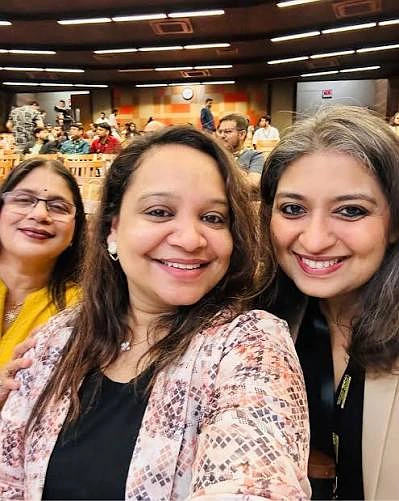
Moments to Memories!
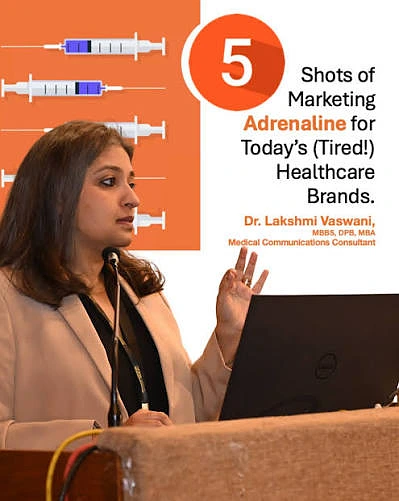
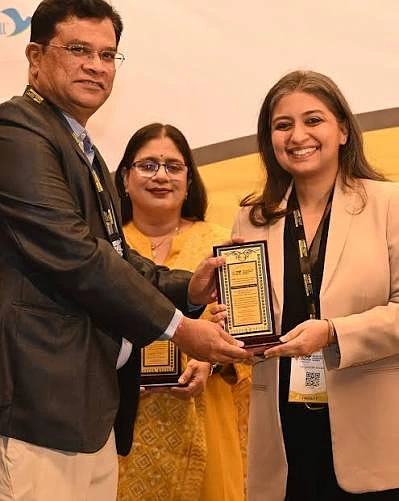
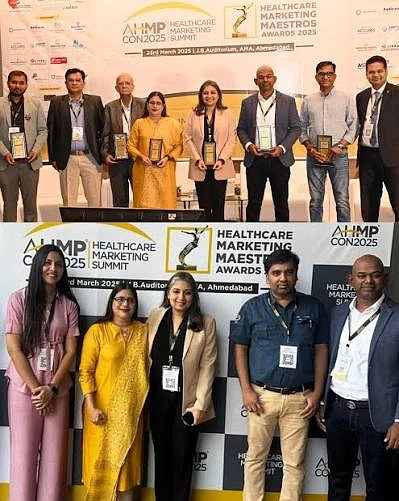
Great sessions, familiar faces, and the usual chaos of trying to catch up with everyone between talks.
I got to speak (always fun), met some incredibly sharp students (truly the highlight), and left with a head full of ideas and a phone full of selfies I forgot to take.

My Writing Room - Where Science Meets Everyday Health
My desk sits right by an open window, with plenty of greenery and soft natural light around me. It’s a quiet little space where I spend time reading about health, looking through research, and turning complicated topics into simple guides for our readers.
A wooden desk, a few medical books, handwritten notes, and a warm cup of tea are part of my everyday routine. This is where I research, write, and carefully put together content for WellHealthOrganic, with the aim of making every article useful, easy to follow, and genuinely helpful.
The only thing I've ever wished for is more uninterrupted time here to write and research.
Read Authentic Mental Health Blogs

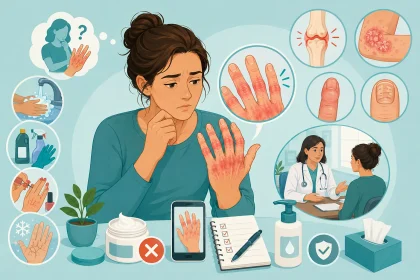
Burning Red Knuckles and Psoriatic Arthritis: Why It Might Not Be a PsA Flare
I woke up today with my knuckles raw and burning. Not aching,…
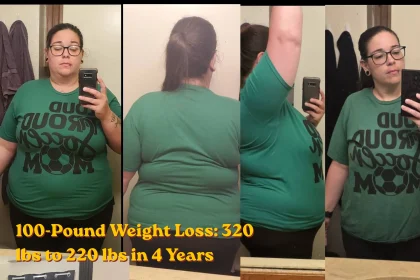
100-Pound Weight Loss: 320 lbs to 220 lbs in 4 Years
Four years and change. That is the honest timeline, and if you…
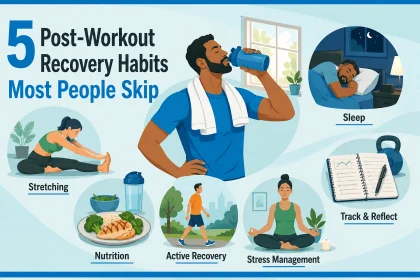
5 Post-Workout Recovery Habits Most People Skip
Stretching after a session does almost nothing for soreness. That is not…
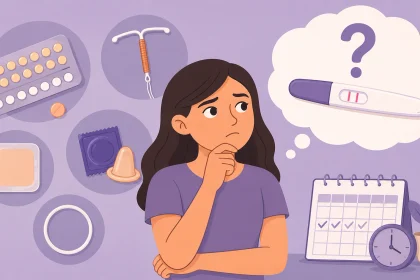
Can You Get Pregnant on Birth Control?
Yes, you can. Every reversible contraceptive method carries a failure rate above…
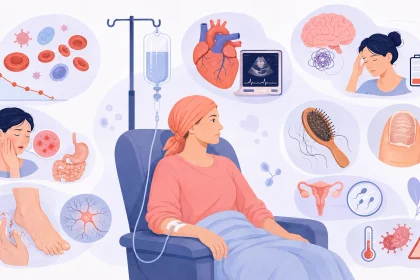
The Effects of Chemotherapy on Your Body
Ask ten people what chemotherapy does to you and nine will describe…
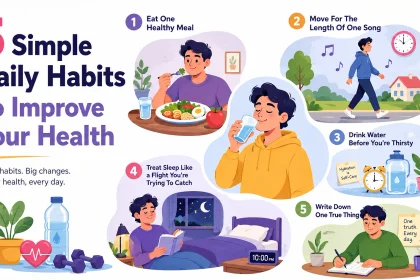
5 Simple Daily Habits To Improve Your Health
Last Tuesday, I ate a salad while standing over the kitchen sink…